
Projected economic growth
IMF projection for India in 2026, compared with 4.6% for China.
IMF · 2026Why India
India combines manufacturing scale, engineering depth, a billion-person working-age population and an increasingly important relationship with European industry.
The opportunity is not to move everything to India. It is to know where India gives the buyer a stronger strategic option.
The India case
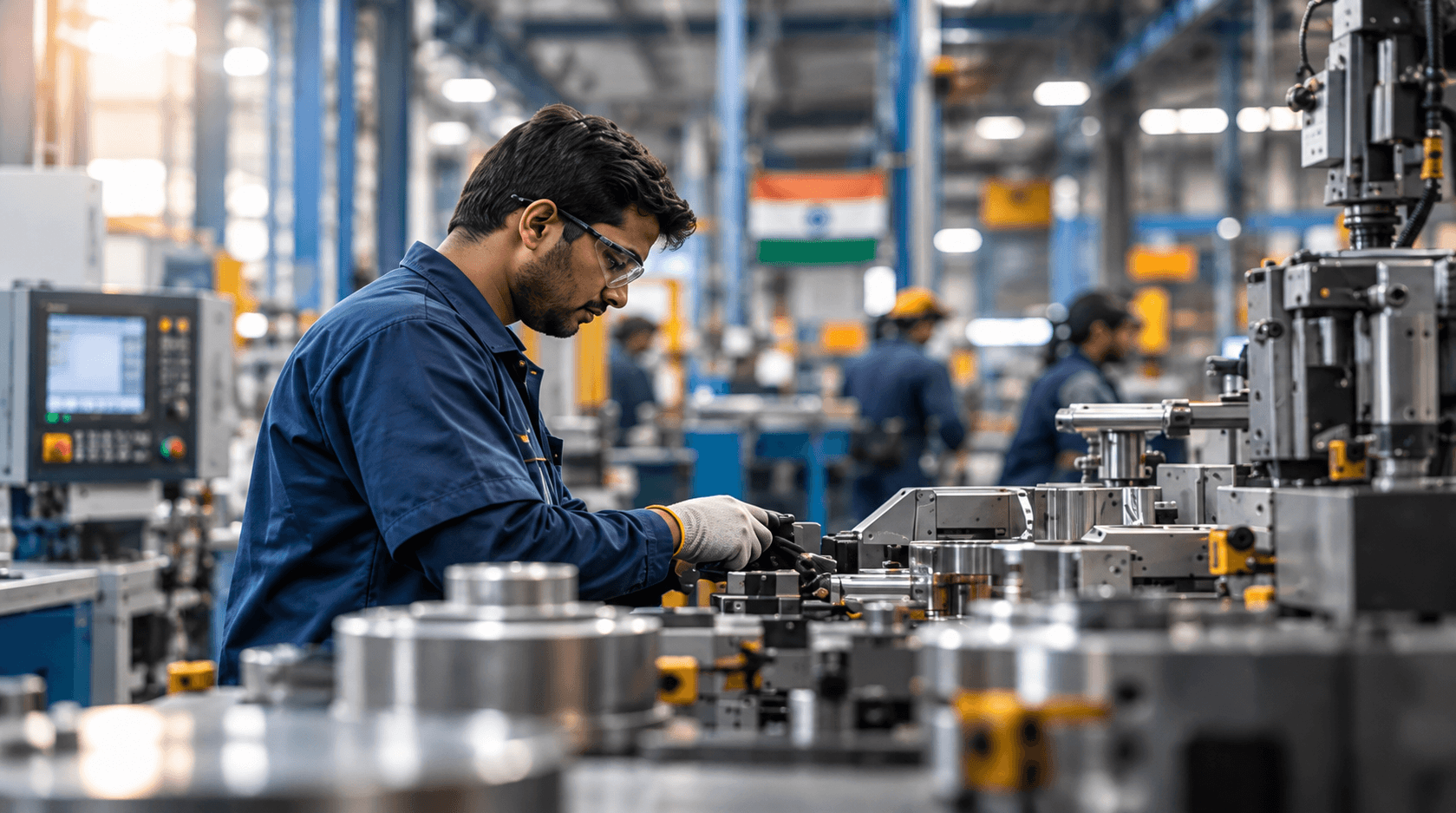
India is no longer simply a low-cost sourcing story. Its relevance comes from the combination of industrial depth, workforce scale, growth and expanding European commercial ties.
IMF projection for India in 2026, compared with 4.6% for China.
IMF · 2026People aged 15–64 in India in 2025 — slightly more than China.
World Bank / UN · 2025India’s manufacturing output at current US-dollar value in 2025.
World Bank · 2025Bilateral goods trade between India and the European Union in 2025.
European Commission · 2025Approximate number of European companies already operating in the Indian market.
European CommissionIndia and China
China remains the world’s dominant manufacturing base. India does not need to be larger than China to be strategically valuable to a European sourcing portfolio.
For many buyers, the strongest India case is not India instead of China — it is India alongside China.
Industrial India
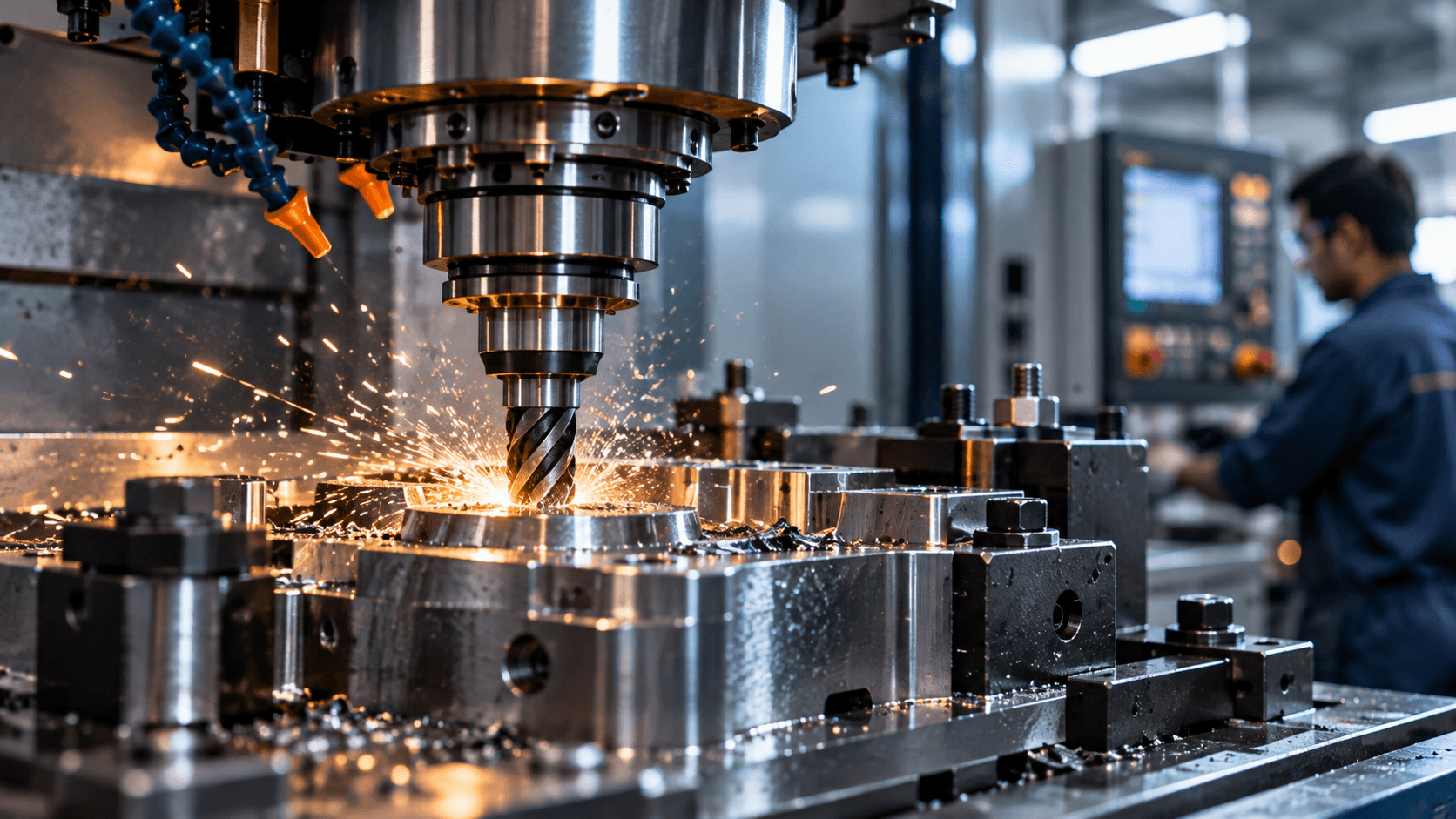
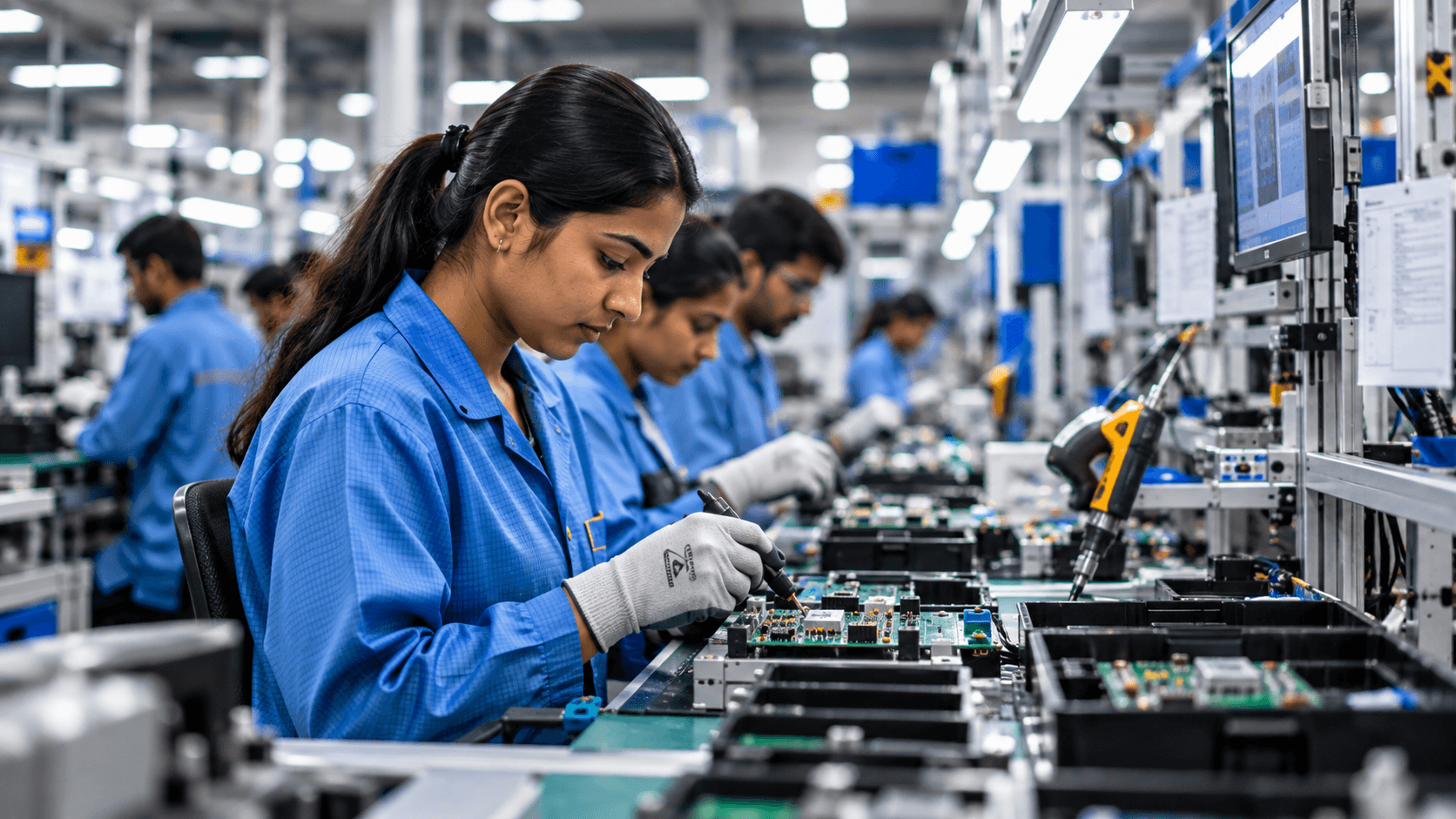
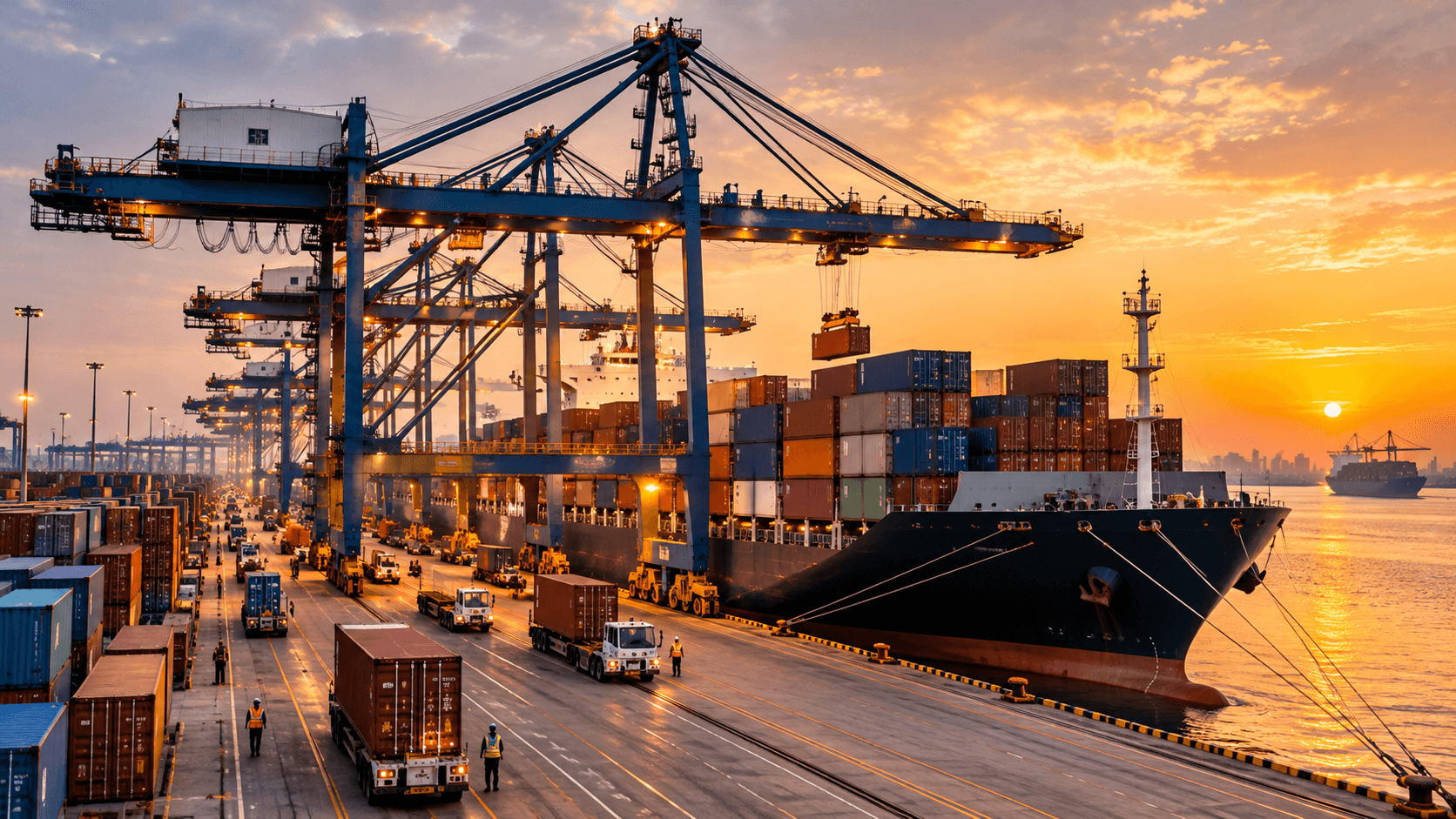
India’s sourcing opportunity spans mature engineering clusters, regulated manufacturing, emerging electronics ecosystems and large export logistics networks.

Where India becomes compelling
None of these advantages guarantees a good sourcing outcome. Together, they explain why India deserves a place in more European sourcing strategies.
India is growing faster than many major industrial economies, creating new capacity, investment and supplier ambition.
India’s working-age population is now slightly larger than China’s, providing a long-term labour and engineering base.
India allows buyers to reduce single-country concentration without moving sourcing into a manufacturing market that lacks meaningful industrial depth.
EU–India goods trade, European investment and the concluded FTA negotiations point toward closer long-term commercial integration.
Engineering, pharmaceuticals, chemicals, textiles, food, packaging and an expanding electronics base create multiple sourcing entry points.
The agreement moved into the EU approval process in September 2026. It has not yet entered into force.
EU foreign direct investment stock in India · 2024
Europe × India
European companies are not starting from zero in India. Trade, investment and institutional ties already connect the two industrial markets.
EU–India goods trade reached approximately €118 billion in 2025 and has grown 83.7% over the previous decade.
FTA negotiations concluded in January 2026, with the European Commission proposing signature and conclusion in September 2026.
Around 6,000 European companies are already present in India.
A credible India case
A sourcing decision should begin with the requirement, not a country narrative. Some categories will favour India. Others may still favour China, Türkiye, Vietnam, Mexico or a European supplier.
China’s manufacturing value added is roughly nine times India’s. For highly integrated supply chains and enormous manufacturing ecosystems, that advantage matters.
In the World Bank’s 2023 Logistics Performance Index, China ranked 19th and India 38th. India has improved substantially, but the gap should not be ignored.
The challenge is rarely whether an Indian manufacturer exists. It is identifying which manufacturer has the right capability, evidence and commercial fit.
Figures shown on this page use the latest cited data available from the World Bank, IMF and European institutions as of October 2026. Country-level indicators are contextual and should not be interpreted as supplier-level performance.
Make the India case specific
Tell us what you are sourcing. We will assess whether India makes sense for the product, process, volumes and sourcing context before proposing the next step.
Start a Sourcing Project